March 18, 2026
Governance & Risk
NIS2 and the New Wave of Cybersecurity Regulation: What Boards Should Track in 2026
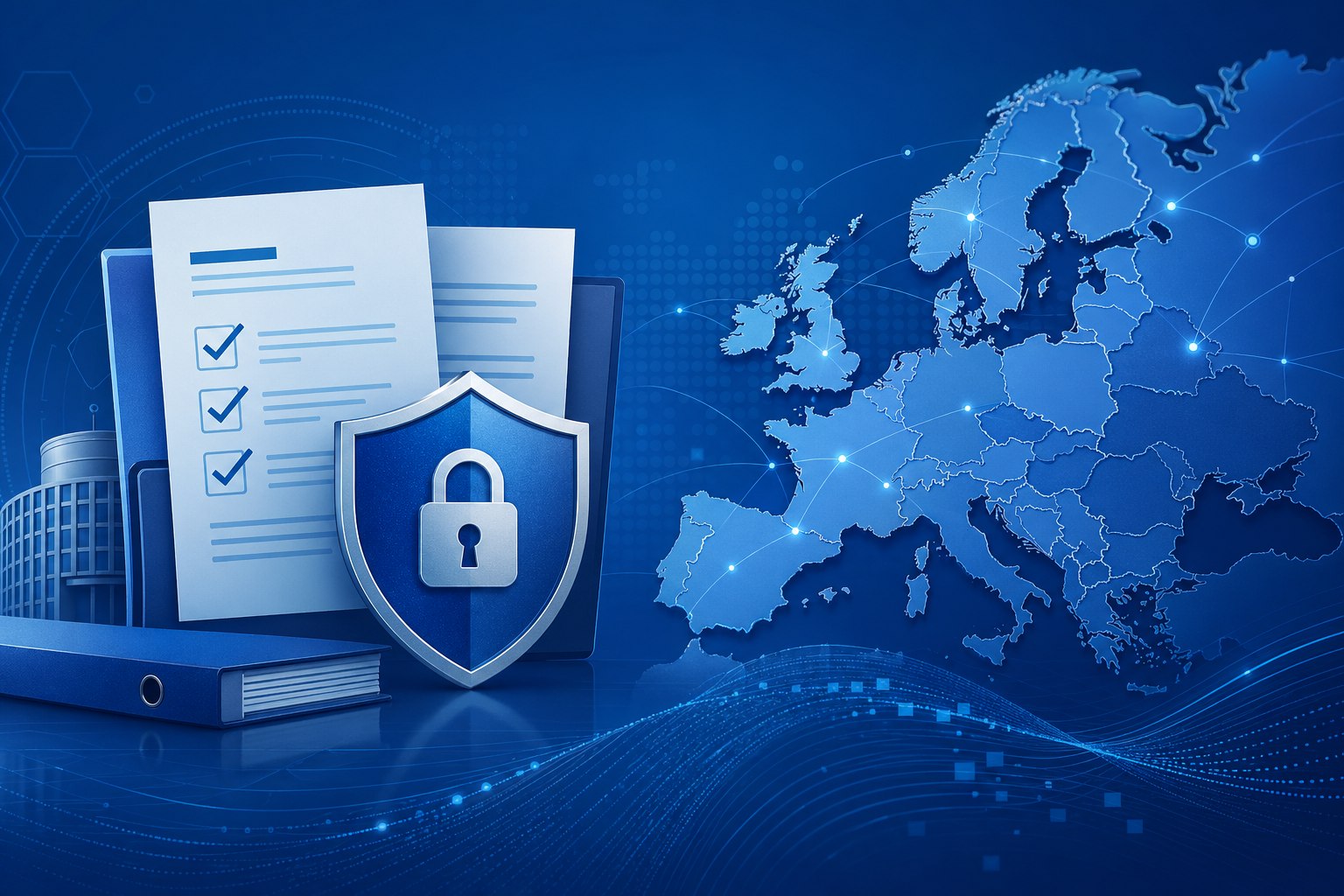
By 2026, many organizations in scope of the EU NIS2 Directive and similar national rules are no longer in a “planning†phase but in active evidence collection. Directors are expected to show reasonable oversight of cyber risk, not just sign off on a policy once a year.
From Frameworks to Substance
Regulators and insurers increasingly ask the same questions: Do you have visibility into your critical services? How fast can you report an incident? Where are the gaps? Paper policies without telemetry and tested processes are a liability.
Practical Steps for Leadership
- Align incident reporting timelines with the jurisdictions where you actually operate, not a generic template
- Map “essential†and “important†business functions to systems, data flows, and third parties
- Revisit supply-chain diligence when vendors touch regulated systems
- Keep board packs short but metric-driven: time to detect, time to contain, and drill outcomes
How EonLink Helps
We work with management and boards to translate complex regulatory language into a prioritized program of controls, tests, and documentation. If you are preparing for a supervisory review or a renewal of cyber cover, a structured readiness assessment is the fastest path to defensible evidence.

February 4, 2026
Security Operations
Extended Detection and Response (XDR) in 2026: When Correlation Replaces Collation
Security operations centers are past the “tool sprawl for its own sake†stage. The question is no longer only how many alerts you can generate, but whether a single team can act on a unified story that spans email, endpoint, identity, and cloud control planes.
What Mature XDR Delivers
At its best, an XDR strategy combines normalized telemetry, strong detection engineering, and playbooks that are rehearsed, not read once. It reduces time spent stitching vendor consoles together and focuses energy on true positives.
Adoption Trade-offs
- Vendor stack tight integration versus best-of-breed for specialized teams
- Data retention: longer history improves behavior models but carries storage and privacy requirements
- Automation boundaries: which responses are safe to automate without a human in the loop
EonLink helps clients evaluate XDR roadmaps, tune detections, and run tabletop exercises that validate the whole chain—not the dashboard alone.

January 8, 2026
AI Security
Securing Agentic AI: When Software Does More Than Answer Prompts
“Agentic†systems—planners and tools that can invoke APIs, move files, and string multi-step work together—are entering IT and security workflows. They promise real productivity but expand the traditional trust boundary: an AI error is not just a wrong paragraph; it can be a chain of real actions.
Risks to Model Early
- Over-broad tool permissions, especially to internal ticketing, cloud shells, and admin APIs
- Indirection: agents calling agents with unclear ownership
- Prompt and context injection aimed at the orchestration layer, not the chat model alone
- Data leakage when retrieval pulls more context than a human would ever see in one place
Controls That Scale
Least-privilege for tools, per-agent identity, immutable audit of actions, and offline approval steps for high-impact changes should be treated as table stakes, not as future work. EonLink assists with threat modeling, policy design, and pre-deployment red teaming for agentic pipelines.

November 20, 2025
Cloud Security
Confidential Computing: Protecting Data in Use in the Public Cloud
Encryption in transit and at rest is no longer the whole story. Industries handling sensitive analytics, keys, and multiparty data often need assurance that a hypervisor, operator, or compromised admin cannot read memory during processing. Confidential computing addresses that “in use†gap through hardware-backed trusted execution.
When It Matters
Key management, PII and health analytics, competitive modeling with partners, and some regulated workloads in shared infrastructure all benefit. The extra complexity is in key hierarchy, attestation, and how you prove compliance to an auditor who may be new to enclaves.
Implementation Hints
- Start with a narrow workload, not a wholesale lift of your data lake
- Build attestation checks into your deployment pipeline, not as a one-off
- Coordinate with your cloud provider on regions and TEE (trusted execution environment) options
EonLink can help you separate hype from a proportionate use of confidential computing in your real risk profile.
October 5, 2025
Network Security
DNS as a Security Control, Not a Background Assumption
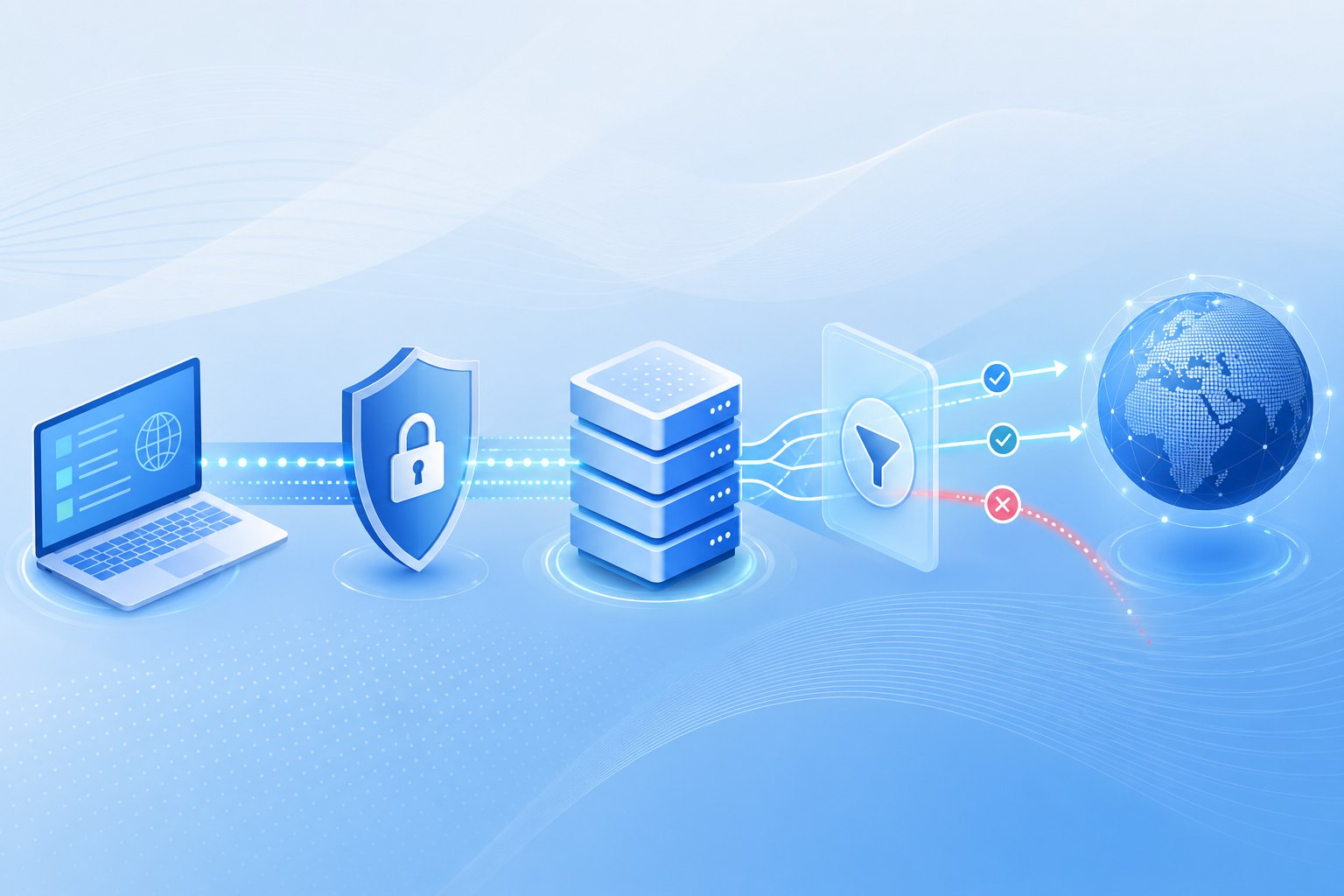
Many enterprises still think of DNS only when it breaks. In reality, name resolution is one of the few signals that exists everywhere—corporate, remote, and mobile—and adversaries have long used DNS for command-and-control, data staging, and bypassing web proxies.
Modern DNS Defense
DoH/DoT adoption changes where inspection happens; blocking alone is not enough. Visibility, response playbooks, and clear privacy guardrails for encrypted DNS matter as much as blocklists.
Action Checklist
- Log resolver queries at appropriate retention for threat hunting, within privacy policy
- Correlate DNS with endpoint and identity events for the same user session
- Review zones delegated to fast-changing providers during incidents
- Test your fallback behavior when a trusted public resolver is unreachable
We help teams wire DNS data into a broader network detection strategy that fits Canadian privacy expectations and your sector.
September 1, 2025
Cloud & Compute
Serverless and Cloud Functions: A 2025 Security Checklist for Builders
Functions as a service reduce operational toil, but the attack surface does not vanish. Short-lived runtimes, broad IAM wildcards, and over-permissioned API gateways still cause breaches. Security must match the way developers actually ship code.
High-Impact Baselines
- Per-function identity with the smallest set of rights that still allows cold starts to succeed
- Secrets in managed vaults, not environment variables copied from a wiki
- Static application security testing in CI, plus software bills of materials for base layers
- Throttling, authentication, and abuse detection at the API front door
Observability
Correlate traces, structured logs, and cost anomalies—unexpected invocation spikes are often the first sign of an abuse campaign. EonLink reviews serverless designs through an adversarial lens, not a generic cloud checklist.
July 12, 2025
Network & Wireless
Private 5G in Campuses and Industry: What Security Teams Must Not Overlook
Private cellular is moving from trial to production for sites that need reliable mobility, high device density, or stricter control than Wi-Fi alone. The RAN, core, and backhaul each introduce new interfaces—and new teams—to secure.
Unique Considerations
- Slice and QoS design affects where encryption terminates and who can tap metadata
- Interconnection with the public network for roaming or handoff changes trust assumptions
- OT-style devices on 5G may not support the same EDR you run on office laptops
Defensive Priorities
End-to-end architecture reviews, strong subscriber authentication, and monitoring of core signaling alongside traditional IP NDR help close gaps. EonLink’s assessments bridge enterprise IT, OT, and integrator runbooks so security requirements stay explicit in RFIs and acceptance tests.
May 6, 2025
Endpoint & System Security
The Firmware and Hardware Layer: A Quiet Frontier for 2025 Attackers
When operating systems and applications are well patched, adversaries go lower. Supply-chain compromises, malicious updates to device firmware, and gaps in UEFI/BIOS configuration are harder to see with endpoint agents alone, yet can persist through OS reinstalls.
Strengthen the Stack
- Enable and verify secure boot, TPM attestation, and trusted platform states where your hardware allows
- Centralize and verify firmware and driver updates from the vendor, not from random helper utilities
- Track physical supply chain: spare laptops and accessories matter as much as servers
Assurance Work
Periodic checks that firmware inventory matches the intended golden image—and that emergency recovery procedures include offline restore media—turn rare exercises into a practiced capability. EonLink helps design lightweight assurance programs for mixed fleets without boiling the ocean.

April 1, 2025
AI & Security Operations
AI-Assisted Incident Response: Gains, Traps, and a Realistic 2025 Playbook
Generative and retrieval-augmented tools can help summarize logs, suggest queries, and draft comms. They can also hallucinate, leak sensitive case material into a vendor model, or tempt junior analysts to skip source verification. The goal is to accelerate safe decisions, not to outsource judgment.
Where It Helps
Normalizing similar alerts, drafting first-pass status updates for the crisis bridge, and extracting indicators from long unstructured text can save material time when the guardrails are clear and humans validate outputs.
Where to Stay Careful
- Prohibit pasting into untrusted public chat services; use enterprise-sanctioned, data-bound offerings
- Log what was summarized, by whom, and for which incident ID
- Do not let AI text replace chain-of-custody evidence—original artifacts still rule in court and regulators’ eyes
We work with response teams to embed AI in ways that pass legal and customer scrutiny, not just a demo.
February 15, 2025
Network & Cloud
SASE Beyond the Sales Deck: A Pragmatic Rubric for 2025
Secure Access Service Edge (SASE) is not a single product—it is a convergence of SD-WAN, security services in the cloud edge, and identity-aware access. Programs fail when RFPs chase buzzwords but skip outcomes: consistent policy, resilient remote access, and defensible evidence for auditors.
Clarify Outcomes Up Front
- Which user populations and which applications are in scope in each phase
- Whether all traffic is inspected or a risk-based mix is acceptable
- How regional data residency and latency fit your user footprint
Migration Without Drama
Parallel run periods, canary user groups, and old VPN fallback for only as long as necessary keep incidents rare. EonLink helps you score vendors and migration steps against the metrics your teams already track so security and networking stay aligned when priorities clash.

October 28, 2025
AI Security
Generative AI Security: Protecting Against LLM-Based Attacks
As large language models (LLMs) become ubiquitous in business operations, new attack vectors have emerged. Organizations must understand and defend against prompt injection, model poisoning, and other AI-specific threats.
The Rise of LLM-Based Attacks
2025 has seen a significant increase in attacks targeting AI systems:
- Prompt injection attacks: Manipulating AI systems through crafted inputs
- Data poisoning: Corrupting training data to influence AI behavior
- Model extraction: Stealing proprietary AI models through API interactions
- Adversarial examples: Inputs designed to fool AI systems
- AI-generated deepfakes: Sophisticated social engineering using AI
Real-World Impact
Recent incidents have demonstrated the serious consequences of AI security vulnerabilities. Organizations using AI for customer service, content generation, and decision-making have fallen victim to these attacks, resulting in data breaches and reputational damage.
Defense Strategies
Protect your AI implementations with these measures:
- Implement input validation and sanitization for AI systems
- Use rate limiting and access controls for AI APIs
- Monitor AI system outputs for anomalies
- Regularly audit and test AI models for vulnerabilities
- Implement human oversight for critical AI decisions
- Train staff on AI security best practices
- Establish governance frameworks for AI usage
EonLink provides AI security assessments and consulting to help organizations securely implement and protect their AI systems.

October 15, 2025
Cloud Security
Edge Computing Security: Securing the Distributed Future
Edge computing has exploded in 2025, with organizations deploying infrastructure closer to users and data sources. However, this distributed model introduces unique security challenges that traditional cloud security approaches don't address.
The Edge Computing Revolution
Edge computing offers benefits but creates new attack surfaces:
- Distributed infrastructure: Security must be managed across numerous edge locations
- Physical security risks: Edge devices in uncontrolled environments
- Limited security resources: Edge devices often have constrained computing power
- Network complexity: Managing security across diverse network topologies
- Compliance challenges: Data processing at the edge complicates compliance
Key Security Considerations
Organizations deploying edge computing must address:
- Secure device provisioning and lifecycle management
- Encryption for data at rest and in transit at edge locations
- Identity and access management for distributed systems
- Network segmentation and micro-segmentation
- Threat detection and response at the edge
- Physical security for edge devices
- Regular security updates and patch management
Best Practices
- Implement zero trust principles for edge deployments
- Use automated security orchestration
- Deploy lightweight security agents optimized for edge devices
- Establish centralized security monitoring and management
- Conduct regular security assessments of edge infrastructure
EonLink helps organizations design and implement secure edge computing architectures that protect distributed infrastructure effectively.

October 3, 2025
Threat Landscape
Quantum Computing Threats: Preparing for the Post-Quantum Era
While quantum computers capable of breaking current encryption are still years away, the threat is real. Organizations must begin preparing now for the post-quantum cryptography transition.
Understanding the Quantum Threat
Quantum computers will eventually be able to:
- Break current encryption: RSA and ECC algorithms vulnerable to quantum attacks
- Compromise long-term data: Data encrypted today may be decryptable in the future
- Disrupt digital signatures: Current signature algorithms will become insecure
The "Harvest Now, Decrypt Later" Threat
Adversaries are already collecting encrypted data with the intention of decrypting it once quantum computers become available. This means organizations need to act now, not when quantum computers arrive.
Post-Quantum Cryptography
NIST has standardized post-quantum cryptographic algorithms designed to resist quantum attacks. Organizations should:
- Inventory all systems using cryptographic algorithms
- Identify data with long-term value that needs protection
- Develop migration plans for post-quantum cryptography
- Test post-quantum algorithms in non-critical systems
- Train security teams on post-quantum cryptography
- Update cryptographic policies and standards
Migration Strategy
Transitioning to post-quantum cryptography requires:
- Phased approach starting with high-value assets
- Hybrid solutions combining classical and post-quantum algorithms
- Comprehensive testing before full deployment
- Ongoing monitoring and assessment
EonLink provides post-quantum cryptography readiness assessments and migration planning to help organizations prepare for the quantum future.

September 20, 2025
Cloud Security
Container Security: Securing Kubernetes and Docker Environments
Container adoption has become standard in 2025, with Kubernetes and Docker powering most modern applications. However, containerized environments introduce unique security challenges that require specialized approaches.
The Container Security Challenge
Container environments present several security concerns:
- Image vulnerabilities: Containers built from images with known vulnerabilities
- Runtime security: Protecting containers while they're running
- Orchestration complexity: Securing Kubernetes clusters and configurations
- Secret management: Securely managing credentials and API keys
- Network policies: Controlling communication between containers
Recent Container Security Incidents
2025 has seen several high-profile container security breaches, including attacks on misconfigured Kubernetes clusters and compromised container registries. These incidents highlight the critical importance of container security.
Essential Security Practices
Secure your containerized environments with:
- Scan container images for vulnerabilities before deployment
- Use minimal base images and remove unnecessary components
- Implement network policies to segment container traffic
- Use secrets management solutions (not hardcoded credentials)
- Enable pod security policies and admission controllers
- Implement runtime protection and monitoring
- Regularly update container images and orchestration platforms
- Conduct security assessments of container configurations
Kubernetes-Specific Security
- Enable RBAC with least privilege principles
- Use network policies for micro-segmentation
- Implement pod security standards
- Secure etcd (Kubernetes data store)
- Enable audit logging
- Use service mesh for advanced security features
EonLink provides container security assessments and implementation services to help organizations secure their Kubernetes and Docker environments.

September 8, 2025
AI Security
AI Governance and Security: Building Trust in AI Systems
As AI systems become integral to business operations, establishing proper governance and security frameworks is essential. Organizations must ensure AI systems are secure, ethical, and trustworthy.
The AI Governance Imperative
Effective AI governance addresses:
- Security: Protecting AI systems from attacks and misuse
- Privacy: Ensuring data privacy in AI training and operations
- Bias and fairness: Preventing discriminatory AI outcomes
- Transparency: Understanding how AI systems make decisions
- Accountability: Establishing responsibility for AI decisions
Security Challenges in AI Systems
AI systems face unique security threats:
- Adversarial attacks designed to fool AI models
- Data poisoning affecting model training
- Model inversion attacks extracting training data
- Membership inference attacks identifying training data
- Model theft through API interactions
Building an AI Governance Framework
Establish comprehensive AI governance with:
- AI security policies and standards
- Risk assessment procedures for AI deployments
- Data governance for AI training data
- Model validation and testing procedures
- Monitoring and auditing of AI systems
- Incident response plans for AI security breaches
- Training programs for AI security awareness
Best Practices
- Implement security by design in AI development
- Use explainable AI for critical decisions
- Regularly audit AI systems for bias and security
- Maintain human oversight for high-risk AI applications
- Document AI decision-making processes
- Establish clear accountability structures
EonLink provides AI governance consulting and security assessments to help organizations build trustworthy, secure AI systems.

April 22, 2024
Cloud Security
Cloud Security Best Practices for 2024
As businesses increasingly migrate to cloud infrastructure, securing cloud environments has become paramount. Recent incidents have highlighted the critical importance of proper cloud security configuration and monitoring.
The Growing Cloud Security Challenge
With over 94% of enterprises using cloud services, the attack surface has expanded significantly. Common cloud security issues include:
- Misconfigured storage buckets: Publicly accessible S3 buckets and Azure containers
- Inadequate access controls: Overly permissive IAM policies
- Unencrypted data: Sensitive data stored without encryption
- Shadow IT: Unauthorized cloud services used by employees
- Insufficient monitoring: Lack of visibility into cloud activities
Essential Cloud Security Practices
Implement these critical security measures for your cloud infrastructure:
- Enable multi-factor authentication for all cloud accounts
- Implement least privilege access principles
- Encrypt data at rest and in transit
- Regularly audit and review cloud configurations
- Use cloud security posture management (CSPM) tools
- Implement network segmentation and firewall rules
- Enable comprehensive logging and monitoring
- Conduct regular security assessments
EonLink provides comprehensive cloud security assessments and implementation services to help businesses secure their cloud infrastructure effectively.

April 15, 2024
Ransomware
Ransomware Trends: What's Changed in 2024
Ransomware attacks have evolved significantly in 2024, with threat actors adopting new tactics, techniques, and procedures. Understanding these trends is crucial for effective defense.
Key Ransomware Trends in 2024
Recent months have seen several concerning developments:
- Double and triple extortion: Attackers now steal data before encryption and threaten to release it
- Ransomware-as-a-Service (RaaS): Lowering the barrier to entry for cybercriminals
- Targeting critical infrastructure: Healthcare, education, and government sectors under increased attack
- Faster encryption times: Modern ransomware can encrypt entire networks in hours
- Supply chain attacks: Targeting managed service providers to reach multiple victims
Notable Incidents in Recent Months
Several high-profile ransomware attacks have made headlines, including attacks on major healthcare systems, educational institutions, and critical infrastructure. These incidents highlight the need for robust security measures.
Defense Strategies
Protect your organization with these essential measures:
- Maintain offline, encrypted backups tested regularly
- Implement network segmentation to limit spread
- Use endpoint detection and response (EDR) solutions
- Apply security patches promptly
- Conduct regular security awareness training
- Develop and test incident response plans
- Implement zero trust architecture
Don't become the next victim. Contact EonLink for a comprehensive ransomware readiness assessment.

April 8, 2024
AI Security
AI in Cybersecurity: Opportunities and Risks
Artificial intelligence is transforming cybersecurity, offering powerful tools for threat detection and response. However, AI also presents new security challenges that organizations must address.
How AI is Enhancing Security
AI-powered security solutions are revolutionizing threat detection:
- Behavioral analytics: Machine learning identifies anomalous user behavior
- Threat hunting: AI analyzes vast amounts of data to find hidden threats
- Automated response: AI systems can respond to threats in real-time
- Phishing detection: Advanced algorithms identify sophisticated phishing attempts
- Vulnerability management: AI prioritizes security patches based on risk
The Dark Side: AI-Powered Attacks
Unfortunately, cybercriminals are also leveraging AI:
- AI-generated phishing: More convincing and personalized phishing emails
- Deepfake attacks: AI-generated audio and video for social engineering
- Automated vulnerability scanning: AI-powered tools finding weaknesses faster
- Adversarial AI: Attacks designed to fool AI security systems
Best Practices for AI Security
Organizations should:
- Implement AI-powered security tools alongside traditional defenses
- Train security teams on AI capabilities and limitations
- Monitor AI systems for adversarial attacks
- Establish governance frameworks for AI security tools
- Stay informed about emerging AI threats
EonLink helps organizations leverage AI security tools while protecting against AI-powered threats.
April 1, 2024
Zero Trust
Implementing Zero Trust Architecture: A Practical Guide
Zero Trust has moved from buzzword to essential security strategy. With the rise of remote work and cloud adoption, the traditional perimeter-based security model is no longer sufficient.
What is Zero Trust?
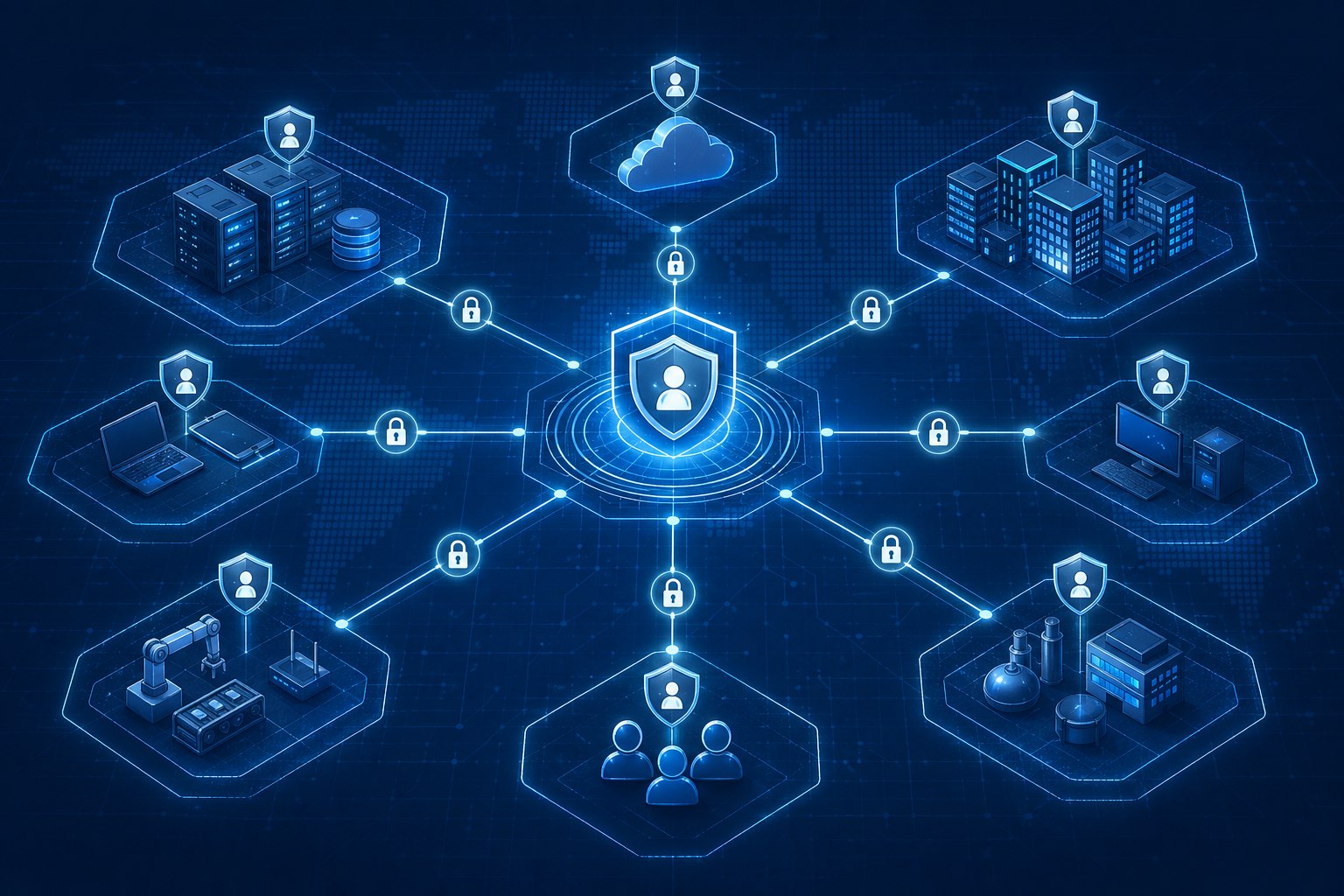
Zero Trust is a security model based on the principle "never trust, always verify." It assumes that threats exist both inside and outside the network and requires verification for every access request.
Core Principles of Zero Trust
- Verify explicitly: Always authenticate and authorize based on available data
- Use least privilege access: Limit user access with Just-In-Time and Just-Enough-Access
- Assume breach: Minimize blast radius and segment access
Implementation Steps
Transitioning to Zero Trust requires a phased approach:
- Identify and map your critical assets and data
- Implement identity and access management (IAM)
- Deploy network segmentation
- Enable continuous monitoring and analytics
- Automate threat response
- Establish governance and policies
Benefits of Zero Trust
Organizations implementing Zero Trust report:
- Reduced risk of data breaches
- Better visibility into network activities
- Improved compliance posture
- Enhanced ability to support remote work
EonLink provides Zero Trust architecture design and implementation services to help organizations modernize their security posture.

March 28, 2024
Supply Chain
Supply Chain Attacks: The New Frontier of Cyber Threats
Supply chain attacks have emerged as one of the most significant threats in recent months. By targeting software vendors and service providers, attackers can compromise hundreds or thousands of organizations simultaneously.
Understanding Supply Chain Attacks
Supply chain attacks occur when cybercriminals compromise a vendor, supplier, or service provider to gain access to their customers. Recent high-profile incidents have demonstrated the devastating impact of these attacks.
Common Attack Vectors
- Compromised software updates: Malicious code injected into legitimate software updates
- Third-party service providers: Attackers targeting MSPs and cloud providers
- Open-source dependencies: Vulnerable or malicious packages in software libraries
- Hardware supply chains: Compromised devices before they reach customers
Recent Notable Incidents
Several major supply chain attacks have made headlines in 2024, affecting organizations across industries. These incidents highlight the need for robust vendor risk management.
Protecting Your Organization
Mitigate supply chain risks with these strategies:
- Conduct thorough vendor security assessments
- Implement software bill of materials (SBOM) tracking
- Verify software updates before deployment
- Use code signing and integrity verification
- Monitor third-party access to your systems
- Diversify critical suppliers when possible
- Establish incident response plans for supply chain breaches
EonLink offers vendor risk assessment services to help organizations evaluate and manage their supply chain security.

March 22, 2024
Cloud Migration
Secure Cloud Migration: Avoiding Common Pitfalls
As organizations accelerate their cloud migration initiatives, security must be integrated from the start, not treated as an afterthought.
The Cloud Migration Security Challenge
Moving to the cloud introduces new security considerations that differ from traditional on-premises environments. Many organizations struggle with:
- Understanding the shared responsibility model
- Configuring cloud services securely
- Managing identities and access in cloud environments
- Ensuring data protection during migration
- Maintaining compliance in cloud environments
Common Security Mistakes
Avoid these frequent pitfalls:
- Lifting and shifting without re-architecting: Moving applications without security redesign
- Default configurations: Using insecure default settings
- Inadequate access controls: Overly permissive IAM policies
- Poor data classification: Not identifying sensitive data before migration
- Insufficient monitoring: Lack of visibility into cloud activities
Best Practices for Secure Migration
- Conduct a security assessment before migration
- Develop a cloud security strategy aligned with business goals
- Implement security controls early in the migration process
- Use cloud-native security tools and services
- Train staff on cloud security best practices
- Establish governance and compliance frameworks
- Continuously monitor and assess cloud security posture
EonLink provides cloud migration security consulting to ensure your move to the cloud is both successful and secure.

March 18, 2024
AI Security
AI-Powered Threat Detection: The Future of Security Operations
Artificial intelligence and machine learning are revolutionizing how security teams detect and respond to threats. Modern AI-powered security tools can identify patterns and anomalies that would be impossible for humans to detect manually.
How AI Enhances Threat Detection
AI-powered security solutions offer significant advantages:
- Real-time analysis: Processing millions of events per second
- Behavioral analytics: Identifying deviations from normal patterns
- Threat correlation: Connecting seemingly unrelated events
- Reduced false positives: Machine learning improves accuracy over time
- Predictive capabilities: Anticipating attacks before they occur
Key AI Security Technologies
- User and Entity Behavior Analytics (UEBA): Detecting insider threats and compromised accounts
- Network Traffic Analysis: Identifying malicious network activity
- Endpoint Detection and Response (EDR): AI-powered endpoint protection
- Security Information and Event Management (SIEM): AI-enhanced log analysis
Implementation Considerations
When implementing AI security tools:
- Ensure quality data for training AI models
- Understand the limitations of AI systems
- Maintain human oversight and expertise
- Continuously tune and improve AI models
- Address privacy and compliance concerns
EonLink helps organizations select and implement AI-powered security solutions that enhance their security posture.

March 12, 2024
Cloud Security
Multi-Cloud Security: Managing Complexity Across Platforms
Many organizations now use multiple cloud providers to avoid vendor lock-in and optimize costs. However, managing security across AWS, Azure, Google Cloud, and other platforms presents unique challenges.
The Multi-Cloud Security Challenge
Organizations using multiple cloud platforms face:
- Inconsistent security controls: Different security models across providers
- Complex identity management: Managing identities across multiple platforms
- Visibility gaps: Difficulty seeing the full security picture
- Compliance complexity: Ensuring compliance across different environments
- Skill requirements: Need for expertise in multiple cloud platforms
Best Practices for Multi-Cloud Security
- Standardize security policies across all cloud platforms
- Use centralized identity and access management
- Implement unified security monitoring and logging
- Establish consistent encryption standards
- Use cloud security posture management (CSPM) tools
- Develop cloud-agnostic security architectures
- Regularly audit security configurations across all platforms
Tools and Technologies
Consider these solutions for multi-cloud security:
- Cloud access security brokers (CASB)
- Multi-cloud security management platforms
- Unified security information and event management
- Infrastructure as code for consistent deployments
EonLink provides multi-cloud security assessments and implementation services to help organizations secure their distributed cloud infrastructure.

March 5, 2024
Phishing
The Evolution of Phishing: AI and Social Engineering in 2024
Phishing attacks have become increasingly sophisticated, with cybercriminals leveraging AI and advanced social engineering techniques to create highly convincing attacks.
Modern Phishing Techniques
Recent phishing campaigns demonstrate new levels of sophistication:
- AI-generated content: ChatGPT and similar tools creating convincing phishing emails
- Deepfake technology: AI-generated voice and video for vishing attacks
- Multi-channel attacks: Coordinated phishing across email, SMS, and social media
- Personalization at scale: AI enabling highly personalized attacks
- QR code phishing: Quishing attacks bypassing email filters
Notable Phishing Trends
Recent months have seen:
- Increased targeting of executives and high-value individuals
- More sophisticated business email compromise (BEC) attacks
- Phishing campaigns targeting cloud service credentials
- Use of legitimate services to host phishing pages
Defense Strategies
Protect against modern phishing with:
- Advanced email security solutions with AI detection
- Multi-factor authentication for all accounts
- Regular security awareness training with phishing simulations
- Email authentication (SPF, DKIM, DMARC)
- Web filtering and URL analysis
- Incident response procedures for suspected phishing
EonLink offers comprehensive phishing protection services, including employee training and advanced email security solutions.

March 15, 2024
Data Security
Understanding Data Exposure Risks in 2024
As businesses continue to digitize their operations, the risk of data exposure has become one of the most significant cybersecurity challenges. In 2024, we're seeing new attack vectors and increasingly sophisticated methods used by cybercriminals to access sensitive information.
Common Data Exposure Risks
Data exposure can occur through various means, including:
- Unsecured databases: Databases left exposed on the internet without proper authentication
- Misconfigured cloud storage: Cloud storage buckets set to public access
- Phishing attacks: Employees tricked into revealing credentials
- Insider threats: Malicious or negligent employees accessing sensitive data
- Third-party breaches: Vendors and partners with access to your data being compromised
Protecting Your Data
To protect your business from data exposure, consider implementing the following measures:
- Regular security assessments to identify exposed data
- Encryption for data at rest and in transit
- Access controls and least privilege principles
- Employee training on data handling best practices
- Monitoring and alerting for unusual access patterns
At EonLink, we help businesses identify and remediate data exposure risks through comprehensive security assessments and implementation of robust data protection strategies.

March 8, 2024
Malware Protection
How to Prevent Malware Installation
Malware remains one of the most persistent threats to business security. From ransomware to spyware, malicious software can cause significant damage to your systems, data, and business operations. Understanding how malware is installed and how to prevent it is crucial for maintaining a secure environment.
Common Malware Installation Methods
Cybercriminals use various techniques to install malware on your systems:
- Email attachments: Malicious files disguised as legitimate documents
- Drive-by downloads: Automatic downloads from compromised websites
- USB devices: Infected removable media
- Software vulnerabilities: Exploiting unpatched systems
- Social engineering: Tricking users into installing malicious software
Prevention Strategies
Implementing a multi-layered defense strategy is essential:
- Endpoint protection: Deploy robust antivirus and anti-malware solutions
- Email filtering: Block malicious emails before they reach users
- Patch management: Keep all software and systems up to date
- User education: Train employees to recognize and avoid threats
- Application whitelisting: Restrict which applications can run on systems
- Network segmentation: Limit the spread of malware if it does get installed
Regular security assessments can help identify vulnerabilities that could be exploited for malware installation. Contact EonLink to learn more about our comprehensive malware protection services.

March 1, 2024
Threat Landscape
The Growing Risk of Business Hacking
Business hacking has evolved from isolated incidents to a systematic threat targeting organizations of all sizes. Small and medium-sized businesses are increasingly becoming targets, often because they lack the robust security measures of larger enterprises.
Why Businesses Are Targeted
Several factors make businesses attractive targets for hackers:
- Valuable data: Customer information, financial records, and intellectual property
- Financial resources: Direct access to funds and payment systems
- Supply chain access: Using compromised businesses to attack larger partners
- Lower security: Often less protected than large enterprises
- Ransom potential: Willingness to pay to restore operations
Common Attack Vectors
Businesses face threats from multiple directions:
- Ransomware: Encrypting data and demanding payment
- Business Email Compromise (BEC): Impersonating executives to initiate fraudulent transfers
- Credential theft: Stealing login credentials to gain unauthorized access
- DDoS attacks: Overwhelming systems to disrupt operations
- Advanced Persistent Threats (APTs): Long-term, sophisticated attacks
Building Your Defense
Protecting your business requires a comprehensive approach:
- Regular security assessments to identify vulnerabilities
- Multi-factor authentication for all accounts
- Network monitoring and intrusion detection
- Employee security training and awareness programs
- Incident response planning and preparation
- Backup and disaster recovery solutions
Don't wait until you're a victim. Proactive security measures can significantly reduce your risk. EonLink offers comprehensive security solutions designed to protect your business from evolving threats.
February 28, 2024
Compliance
Cloud Compliance and Regulations: Navigating the Complex Landscape
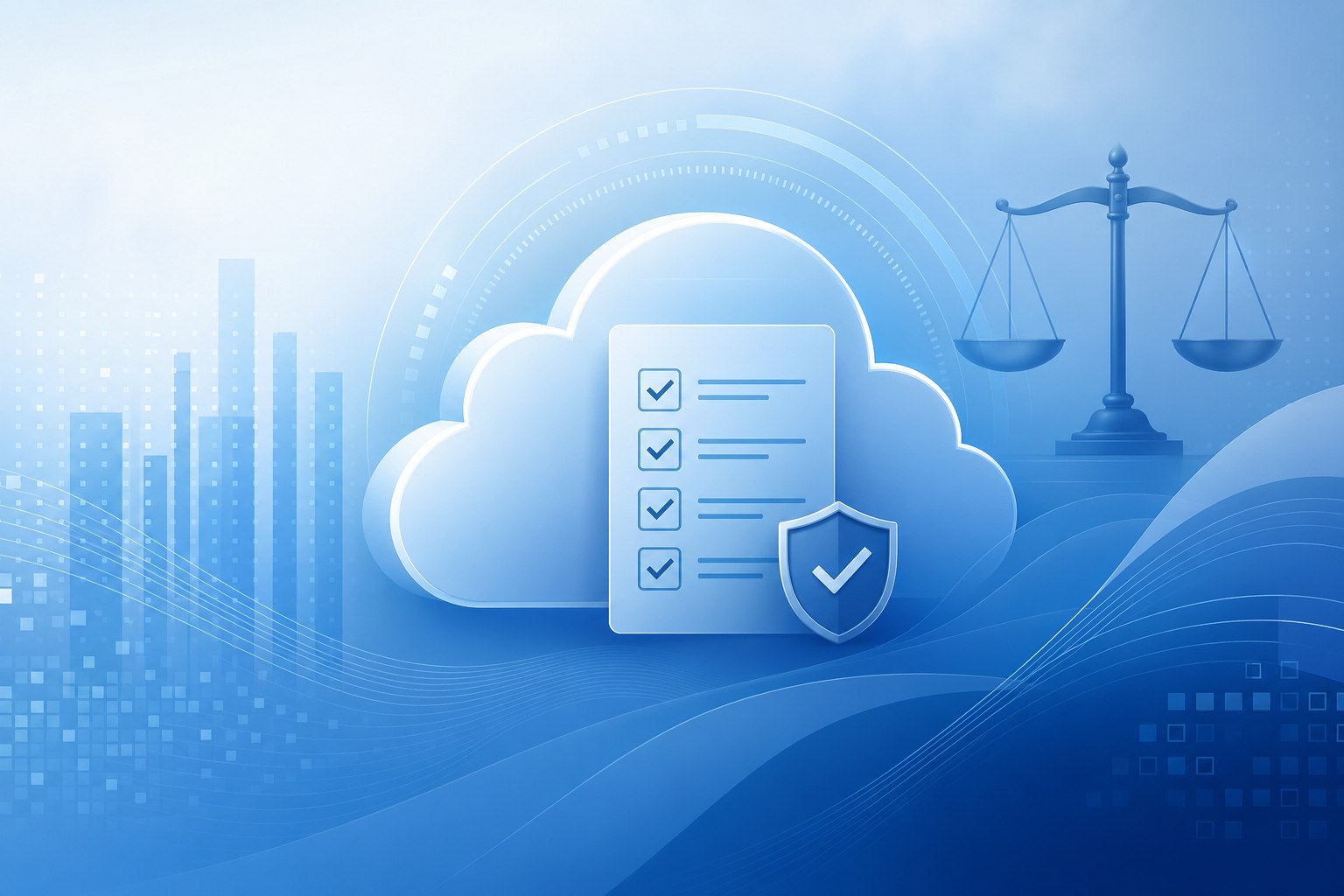
As organizations move to the cloud, maintaining compliance with regulations like GDPR, HIPAA, PCI-DSS, and others becomes more complex. Understanding the shared responsibility model is crucial.
The Compliance Challenge in the Cloud
Cloud compliance requires understanding:
- Shared responsibility: What the cloud provider secures vs. what you must secure
- Data residency: Where data is stored and processed
- Cross-border data transfers: International data movement regulations
- Audit requirements: Demonstrating compliance to auditors
- Regulatory changes: Keeping up with evolving requirements
Key Regulations Affecting Cloud Usage
- GDPR: European data protection requirements
- HIPAA: Healthcare data protection in the US
- PCI-DSS: Payment card data security
- SOX: Financial reporting requirements
- CCPA/CPRA: California privacy regulations
Best Practices for Cloud Compliance
- Understand the shared responsibility model for your cloud provider
- Implement data classification and handling procedures
- Use encryption for sensitive data
- Maintain comprehensive audit logs
- Conduct regular compliance assessments
- Document security controls and procedures
- Work with compliance-aware cloud providers
EonLink provides cloud compliance assessments and consulting to help organizations meet regulatory requirements in cloud environments.